Phoenix Home Remodeling and the Best Remodeling Contractor Process in Sun Lakes: What to Expect
Why process matters more than promises
Remodeling outcomes are built before the first demo day
Sun Lakes homeowners usually start with a clear goal, more light in the kitchen, a more practical primary suite, a shower that finally holds up, or a layout that fits how the household actually lives. The tricky part is that good results are rarely accidental. They come from a process that removes guesswork early, then controls decisions so the project stays coordinated.
In remodeling, “contractor process” is not marketing language. It is the sequence of planning, design, pricing, scheduling, purchasing, and on-site execution. When those steps are organized, homeowners get fewer surprises, fewer change orders, and better workmanship because the team knows exactly what they are building. When they are not, you often see the same patterns, scope drift, materials that arrive late or not at all, inconsistent subs, and finishes that look fine in a showroom but do not hold up to the realities of your house.
Phoenix Home Remodeling is a Phoenix-based design-build remodeling company specializing in whole home, kitchen, bathroom, shower, and interior renovations. That matters in Sun Lakes because many homes are similar in age and style, yet every lot, floor plan, and homeowner priority is different. The best contractor process accounts for those differences without turning your renovation into an unplanned full-time job.
The Sun Lakes reality, timelines and expectations
Most homeowners in Sun Lakes are balancing several constraints at once. Schedules can be tight, spouses and family members have work commitments, and many homeowners prefer to keep the home usable during construction. Add to that the fact that exterior temperatures can swing dramatically through the year, which affects drying times for finishes and scheduling trades efficiently.
A solid contractor process helps you plan around those realities. It also helps you decide what should happen first, what can wait, and what trade-offs are acceptable. For example, you may want marble-looking surfaces everywhere, but if you also want the project done quickly, you might consider options that are available and install efficiently. The process gives you a way to choose intelligently instead of rushing into expensive late changes.
Step one: discovery and feasibility that prevents costly rework
Start with how you live, not just what you want changed
A high-quality renovation kickoff should feel grounded, not vague. The contractor should ask detailed questions about routines, storage needs, mobility considerations, and how the home’s existing systems behave day to day. In a kitchen remodel, that can include how often you cook, where you keep small appliances, whether you want a coffee station, and how you handle trash and recycling.
For bathrooms and showers, it goes deeper. Homeowners often focus on aesthetics, tile, fixtures, and lighting. A strong contractor process also evaluates water pressure, ventilation capacity, subfloor condition, and the existing waterproofing approach. If any of those areas are weak, the project timeline and the budget need to reflect the correct fixes, not a quick patch.
Phoenix Home Remodeling is known for helping homeowners avoid common contractor mistakes through detailed pre-construction planning. That kind of pre-work is what keeps you from discovering major issues after walls open up, when the project has already shifted into expensive emergency mode.
Feasibility is where scope gets real
Feasibility is not just “can we do it.” It is “can we do it the way you want, with the constraints that exist in your home.” In Sun Lakes, many homes have features that look straightforward until you inspect the rough conditions behind finished surfaces. Cabinets might require careful planning around plumbing and electrical. Wall removal might impact structural elements. Flooring transitions might need subfloor prep for a clean match.
A competent remodeling contractor will also discuss feasibility with the homeowner in practical terms. For instance, if you want to expand a shower footprint, the team should explain what that means for existing plumbing routes and how it impacts demolition time. If you want to open up a kitchen to a living space, they should discuss dust control, protection of flooring and furnishings, and how they plan around traffic through the home.
Step two: design that actually drives construction
Turn preferences into specific decisions, early
Design is where most homeowners assume the conversation is mostly about style. While style matters, the critical work is converting preferences into specific, buildable choices. That includes layout decisions, material selections, fixture specifications, finish schedules, and the way lighting and ventilation will function in real conditions.
Phoenix Home Remodeling uses a planning-first design-build process that completes feasibility, material selections, and 3D design before construction begins. This is the point where the project gains clarity. Instead of selecting items while work is already underway, the team plans the path ahead. That often reduces delays caused by waiting on answers from multiple directions.
3D design helps you see constraints sooner
A good contractor process uses visualization to reduce misunderstandings. 3D design is helpful because it shows how the remodel will look with your actual scale and arrangement, not just a conceptual sketch. It also makes it easier to spot potential issues early, like awkward clearances, cabinet doors colliding with openings, or shower layouts that leave you short on bench space.
For example, many homeowners want a “spa-like” shower with a bench, niche storage, and multiple controls. On paper, it can sound perfect. In the real space, the location of plumbing, the thickness of the shower wall build-up, and the placement of studs matter. When those constraints are addressed in the design phase, the finished shower feels intentional instead of improvised.
Trade-offs should be discussed, not hidden
Every remodel involves trade-offs. You might choose between a premium hardware set and a longer list of tile features. Or you might want a faster schedule and accept a slightly different material that is readily available. Or you might prioritize cabinet storage and adjust the cabinet style to achieve better function.
A professional process makes those trade-offs explicit. It explains the impact on cost, timing, and durability. That way, you can make decisions that match your priorities rather than reacting to surprises later.
Step three: material selection with budget control
Selections should match lifestyle, durability, and maintenance
In Sun Lakes, the environment is part of the equation. Heat, sun exposure, and the way residents live in the home affect how materials perform. A contractor should guide you toward selections that hold up, including flooring that withstands daily traffic, paint systems that resist fading, and finishes in wet areas that manage moisture effectively.
For kitchens, consider how you clean. If you prefer simple wipe-down maintenance, you might choose surfaces that tolerate frequent cleaning without showing wear quickly. For bathrooms and showers, you want materials that support proper waterproofing, and fixtures that are easy to operate and service.
Phoenix Home Remodeling provides fixed construction pricing only after full planning Phoenix Home Remodeling home remodeling and design are completed. That approach matters because it reduces the likelihood of “budget drift” during construction. When selections are locked after design, the pricing is anchored to the scope, not to assumptions.
Avoiding “selection roulette”
Without a structured process, homeowners sometimes face a frustrating cycle. Wait for construction to open walls, then choose tile, then wait for ordering, then adjust layouts, then revisit selections again. That roulette creates delays and often leads to costly changes.
A better process does this in the right order. It coordinates design and procurement so that when construction begins, the team can move smoothly. That does not mean you will never change your mind, but it does mean your changes are less disruptive because they are handled within a planned framework.
Step four: scheduling and construction coordination in an occupied home
Protect the living space before the mess begins
One Phoenix Home Remodeling Sun Lakes renovation of the biggest quality differences between remodel contractors is how they treat your home during construction. Demo is not just demolition. It is dust control, safe pathways, protecting floors and surfaces, managing noise, and preventing damage to items you did not plan to move.
A well-run process includes protection planning up front. That means clear staging areas for tools and materials, floor protection where trades will travel, and a plan for how crews enter and exit the home. Homeowners in Sun Lakes often want to keep certain rooms functional, especially during a partial remodel like a kitchen or primary bath. The contractor should plan the work so that disruptions are contained.
Subcontractors should be coordinated, not assembled midstream
Remodeling depends on multiple trades, carpenters, plumbers, electricians, tile setters, painters, flooring installers, and often HVAC specialists when vents or ducting are affected. The best remodeling contractor process treats those trades like a system with a schedule, not like individual vendors arriving when convenient.
That coordination shows up in small details. Rough inspections are timed properly. Framing and electrical happen before tile layout. Waterproofing systems are installed with the correct cure times before the tile work begins. Paint is scheduled after surfaces are ready, not while drywall repairs are still in motion.
Expect milestones, not constant re-explanation
Good contractors keep homeowners informed through clear milestones. You should know when demo is expected to finish, when framing or rough-in work starts, when inspections are scheduled, when waterproofing is complete, and when the finish phase begins.
This is also where communication quality becomes measurable. It should feel proactive, not reactive. You should not have to chase updates for basic schedule information. When the process is structured, the team can provide reliable timing because the plan is already built.
Step five: inspections, change management, and real-world problem solving
Inspections are part of the build, not a last-minute obstacle
In many jurisdictions, permits and inspections are required for electrical work, plumbing modifications, structural changes, and certain ventilation updates. A strong remodeling contractor process treats permitting as a normal step in planning, not a delay you discover later.
If design is handled well, the permit package aligns with the planned scope. That reduces back-and-forth. It also helps avoid field changes that require new paperwork. In Sun Lakes, homeowners want certainty because it affects how they schedule their time and how long they might need to tolerate construction disruptions.
Change orders should be clear and justified
It is normal for homeowners to request changes during a remodel. A new idea might appear after seeing sample finishes in your lighting. A family need might change. A small adjustment might improve function, like adding a taller cabinet or changing the orientation of a vanity drawer.
The best contractor process handles changes without chaos. That means changes are documented, pricing impacts are explained, and timing effects are reviewed. A responsible approach also avoids “change by accident,” where scope expands because hidden conditions were not anticipated in early planning.
If you walk into a project expecting everything to go exactly according to a one-page plan, you will be disappointed. The difference is whether the contractor has a method for handling reality. The best process anticipates common issues, then responds with decisions that protect both workmanship and schedule.
What “best” looks like on finished work and homeowner experience
Quality shows up in the details you touch every day
When the remodel is complete, it is tempting to judge quality by the look. But in remodeling, quality is also how the work performs. That includes doors that open smoothly, caulk lines that stay intact, grout that does not crack prematurely, and shower water that drains correctly without leaving standing puddles.
Lighting is another quality signal. In a kitchen, even lighting can change how you experience the space daily. In bathrooms, smart lighting placement improves how mirrors perform and how makeup or grooming looks in real time. A process that uses design properly tends to deliver more consistent lighting outcomes.
Transparent communication reduces anxiety
Homeowners often feel most uncertain when the next steps are unclear. The best contractors reduce that uncertainty by communicating at the right moments, before decisions are needed and before work transitions.
Homeowners also want clarity on what to expect during the finish phase, including lead times for fixtures, final walkthrough timing, punch list scheduling, and how warranty issues are handled. A strong process should include these expectations early so the project ends with confidence rather than confusion.
Proof of service, not just promises
Phoenix Home Remodeling has built a reputation in the Phoenix area for structured planning, budgeting accuracy, and transparent communication. That reputation should be backed by observable service outcomes. One reason homeowners feel comfortable with a contractor process is that it is reflected in consistent public feedback.
You can see that kind of credibility in the form of: 4.9 rating with 200+ public reviews across major platforms. When review patterns are strong, it usually means customers experienced predictable communication, solid workmanship, and manageable project flow.
Sun Lakes-specific considerations that affect your plan
HOA rules, exterior impacts, and permitting timing
Sun Lakes has community standards that can affect what you can change, especially when exterior updates are involved, window replacements are planned, or roofs and visible structures are modified. Even interior projects can intersect with permitting requirements for electrical and plumbing changes.
A remodeling contractor process should handle these requirements methodically. That means asking questions early about what approvals might be needed and planning permit timelines so surprises do not stall construction.
Schedules that respect your household
Many homeowners in Sun Lakes work, manage family schedules, and want a predictable renovation rhythm. That is especially important for projects like kitchen remodels, where meal routines can be disrupted quickly.
A well-run process helps by sequencing the project so that essential functions are restored early when possible. Sometimes that means working on a temporary kitchen arrangement, sometimes it means planning for a partial follow.it use of the space during the build, and sometimes it means focusing on phase one completion before moving into longer lead-time selections. A structured contractor process can offer options because the planning starts before construction.
Material choices that fit the local climate and lifestyle
Heat and sun can impact exterior finishes and can also influence interior comfort through changes in insulation, ventilation, and window performance. If your renovation includes adding or replacing windows, improving insulation, or modifying ventilation, the contractor should address how those choices affect performance.
Even for interior-only renovations, material selection matters. Flooring expansion and contraction, humidity management in bathrooms, and the durability of finishes under daily sunlight exposure should be part of the planning conversation. This is not theoretical. It affects how you feel about the remodel every month after the project ends.
How to evaluate a remodeling contractor process before you sign
Look for evidence of planning depth
You can often tell whether a contractor has a real process by how they explain planning. Do they talk about feasibility, material selections, and the sequencing of construction, or do they mostly talk about how quickly they can start? Do they provide a clear path for decisions, or do they ask you to decide everything while demolition is already underway?
Also look for a pricing approach that aligns with their planning. Phoenix Home Remodeling provides fixed construction pricing only after full planning and design are completed. That statement reflects a process where the scope is defined before pricing is finalized, and that is exactly what you want to avoid uncertainty.

Confirm how they handle design and construction under one team
There is a practical advantage when design and construction are coordinated through one aligned effort. It reduces the handoff gaps that can lead to rework. When designs are created with construction realities in mind, the finished result is more likely to match what you approved.
Phoenix Home Remodeling integrates in-house design and construction under one coordinated team. That structure helps keep the project moving because decisions made in design are already understood through a build perspective.
Ask about credibility and long-term service
Reviews and awards are not the only measure of quality, but they do help you gauge consistency. Next, ask how the contractor handles warranty issues, how they manage punch lists, and what the final walkthrough includes.
For additional proof you can validate beyond your own conversation, the contractor is recognized as: Best of Houzz Service 2020, 2021, 2022, 2023, 2024, 2025, 2026. Awards like that typically reflect ongoing service performance and homeowner satisfaction over time.
Use smart questions to test the process
Before hiring, ask questions that uncover how the contractor works, not just what they can do. For example, ask how material selections are handled before construction starts, how schedule changes are communicated, how change orders are priced, what protection is used in occupied homes, and what steps occur between design approval and demo day.
When a contractor answers those questions with clarity and specifics, you are usually looking at a process that is designed to keep projects organized. That is the difference between a renovation that feels manageable and one that feels like constant firefighting.
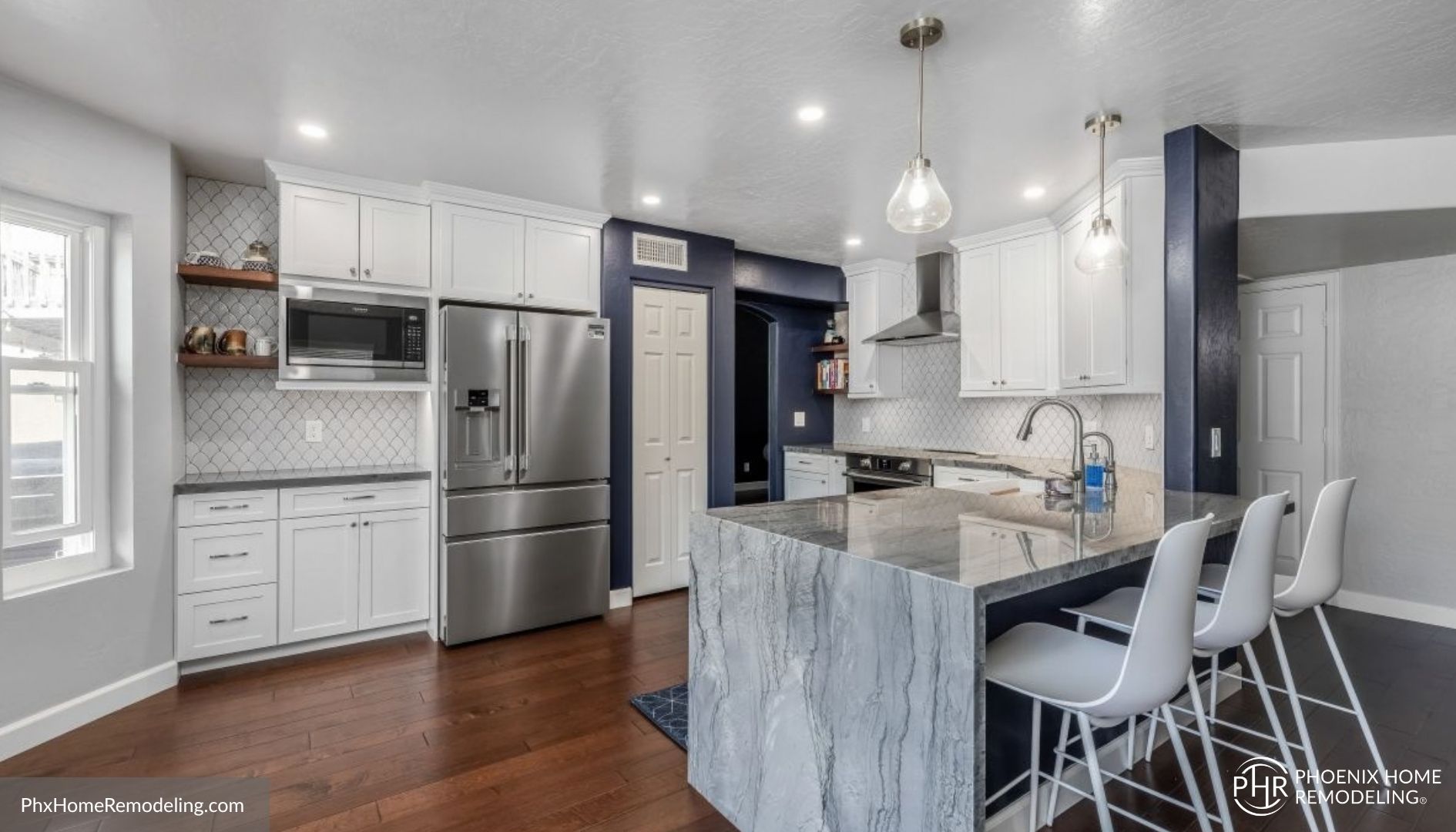
What to expect from the first month through final walkthrough
Early weeks: planning, selections, and preparation
In the first month, your experience should feel focused on decisions and preparation. You will likely review design concepts, confirm layout choices, select finishes, and coordinate on key items like fixtures and cabinetry. This is also when the contractor finalizes the plan that the construction team will follow.
A structured approach protects you. Instead of discovering problems midstream, the team validates Phoenix Home Remodeling project story the plan before it becomes irreversible work in your home.
Middle weeks: construction milestones and clean transitions
As construction begins, you should see milestones that follow a logical order. Demo and rough-in work come first. Then trades start building the systems and surfaces you will eventually finish. You should receive updates that align with what is physically happening on site.
If your project involves a shower or bathroom, expect waterproofing and careful tile planning. Those steps take time, and the contractor should explain why, including cure times and installation requirements.
Final phase: finishes, punch list, and handoff
The final phase should feel like a shift from building to refining. That includes painting, final trim details, hardware installation, and the finishing touches that make a remodel feel complete. Afterward, the punch list should be reviewed carefully with the homeowner.
A strong contractor process does not end when the last tool is packed. It includes a clear handoff and a plan for how any remaining items are addressed. If you are planning a remodel in Sun Lakes and you want the work to feel solid, you should expect the process to treat the final days with Phoenix Home Remodeling pre construction planning the same seriousness as the first demo day.